

How to prepare for a job interview? With us, you can handle it with ease.

The search for a new job has several stages. One of them is the interview, which is usually not very popular among applicants. Stress and tension can often be overwhelming. But you can improve and simplify the whole situation. You just need to prepare properly and leave nothing to chance. Do you know the basic interview questions? This is the only way to make sure you leave a good impression and provide appropriate answers to all questions. How to prepare for an interview? We have some practical job interview tips for you.

Update your CV

To get a job interview, you need to impress with your CV. A CV is like your social media profile. It represents you without the company knowing who you are. Based on the information the recruiter gets from it, they can form their opinion about you. They find out if you’re the right person for the job offer, or should invite someone with more experience or a different educational background to the interview.

Since your CV is a showcase of your work history and other data, it has to look like one. Make sure it contains all the information at the beginning. If it’s missing something, fill it in and update it. Be sure to include every job title and all your skills. How to do it, we summarized in the article Skills and abilities on your CV.

Graphic design is also important. It may not decide whether you get the job or not, but it can be interesting for the employer. Your CV can stand out from dozens or hundreds of others. Elegant and simple design looks the best. Avoid multiple garish and chaotic combinations of colours and fonts.

The job applicant holds a paper in his hand and prepares for the interview
Impress at every interview with the right preparation.

Grammar and stylistics should not be forgotten either. If there are too many mistakes on your CV, it can put employers off, no matter what job you want to do. You don’t have to apply for the position of editor or editor-in-chief. Everyone should know the basic rules of spelling.

Expert advice

Do you have problems with Slovak and don’t know if you made mistakes in your CV? Have someone in the area read it, or use the services of professional proofreaders. That way you’ll be sure your CV is in order and represents you well.

Send CV correctly

It may not be important to you, but the actual sending of the CV is key. Many people make the mistake of not filling out the subject line. Such e-mails end up in spam or are not even opened by HR. They don’t look professional and are definitely not a good start for a candidate.

Next, focus on the content of the email. For most, a CV is the most important thing, but it needs an introduction. Say hello, introduce yourself and say that you are interested in the job offer. Then don’t forget to refer to the CV in the attachment and say goodbye.

Send your CV in PDF or Word. These are the most versatile formats. Every operating system can open them. Choose the classic and most used fonts to open to absolutely everyone. Arial, Times New Roman or Calibri in sizes 11 and 12 are a safe bet.

When sending an email, you’ll do well to choose your work email inbox. You can also choose a personal email, but it should include your full name or at least your initials. Addresses with nicknames do not look professional. Of course, it’s just a small thing, but use these small things to build your success on them.

Provide only truthful information

Your CV must include your experience, knowledge and work history. It is true that more experience can make you more interesting in the eyes of a recruiter. Your resume will stand out from the pile of others. But be careful not to overdo it. Even the biggest little thing, like a higher language level, will reveal itself over time. Usually right at the interview.

Lying will get you nowhere. It might help you get an interview, but that’s where you’ll end up. An experienced recruiter knows the tricks and ways to find out if information about you is really true. So be careful what you put on your CV. Lying is worse than the fact that you’re a level or two down.

Get it right from the start. If you want to get better at something, take a course. Don’t give false information. It’s useless.

You’re not just writing a CV for the recruiter, you’re also writing one for yourself. You update and recap everything you want to emphasise in the interview. It’s another way to prepare for a job interview and to be successful in it. The CV always determines the course of the meeting and the questions often asked in the interview are based on the CV. The more details you give, the fewer inconsistencies in communication there will be. At the same time, these basic points allow you to think about what questions to ask in a job interview. Pick up something you missed in your previous job and ask if you’ll find it in this one.

Remember to behave appropriately

Your resume can be as good as it is, but if you can’t behave, you won’t get the job. Late replies to emails or failure to communicate politely is a big negative. Make sure you get the structure of your email right before you send your CV. Find out what it should look like.

As a rule, a greeting and an address must not be missing at the beginning. Next, write down what you need. Remember that you must use capital letters for words like Mr., Mrs., Ms. End the email with “thank you”, say goodbye and include your last name.

Be punctual

One of the little things that doesn’t work well is tardiness. Of course, sometimes it happens that a person is not to blame for being late. In most cases, however, the delay is because they left home late or stopped somewhere.

Arrive at least 10 minutes early for the job interview. Check in at reception and wait. It’s better to arrive early and wait a while than to be late.

In case of an online interview, please allow for technical problems. Test beforehand to see if the connection link works. See if the app works for you. If you’ve never worked with it, install it and go through the basic functions. Avoiding similar complications will make the interview process easier.

Don’t forget to set aside enough time. How long does the interview take? Sometimes thirty minutes will be enough, other times it can stretch to two hours. It all depends on how the job interview goes, whether it is a first round, whether there is a test involved and so on. Nowhere is it specified exactly how a job interview is conducted, so if you set aside enough time, you can pass the interview without stress.

Expert advice

Do you live in a house or apartment with your family? Don’t forget to wear headphones at the interview. They’ll ensure you hear the recruiter well. Plus, they won’t hear what’s going on behind the door in the other room.

Choose the right place

Use this point when the interview is online. As a candidate, you need to find a place where it is quiet and peaceful. Also make sure you have a good internet connection and nothing is disturbing you.

Many people are trying to work hard, so they go to coworking spaces or coffee shops. The problem with these places is that there’s a lot of other people and hustle and bustle around you. So you can’t focus well on individual questions from the recruiter.

Some cafés do not have a stable internet connection. Many other computers and mobile phones are connected to it. Online interviewing can cut in and out because of this. Make sure nothing like that happens. Stay at home where you have everything you need. You’ll be sure that nothing will go wrong and it won’t negatively affect the job interview.

Job interview dress

The recruiter will especially notice your outfit when you come in for a personal interview. You should choose formal clothes. Avoid ripped jeans and loose sweatshirts. What to wear to a job interview? A shirt and smart trousers will be the right choice.

When interviewing online, think especially about your upper clothing. You don’t have to overdo it, but it’s good to wear something that looks good and you feel comfortable in. Knowing how to dress for a job interview can form a significant part of how to succeed at an interview.

How to prepare for an interview

At this point, the situation you have been waiting for so long is already occurring. So the question may arise: how to prepare for a job interview? What else to study? What are the correct answers to the interview questions? Alternatively, what to ask at the interview?

It’s only natural to write to multiple companies and interview for jobs with multiple companies when you’re looking for a job. After all, the more emails you send out, the better your chances of getting a job. But with many different job offers, you may not remember all the details. And one of the most common interview questions (and also the most difficult ones) is why you are the right person for the job.

Therefore, find out about your chosen job before the interview. You should find it in the job offer itself. Write down the key points and then use them in the interview. Show that you’re genuinely interested in the job and ready to get started.

In addition to the job title, it’s a good idea to find out about the company offering the job. Find information about company culture or products and services. If it has its projects posted, check those out as well. Think about why you want to work for the company and what you find most interesting about it. Develop a tactic for answering interview questions.

Many times you get a question related to the company in a job interview. Why are you interested in the offer? What do you like about the company? The more you say, the better for you. If you say some interesting information, you will get good points. You show that you really took the time to find out additional information. It’s one more way to impress in an interview.

How to succeed at a job interview

How to behave in an interview? Mood and how you come across are essential in a job interview. Try to calm yourself down, don’t get too nervous and stressed. Put on a smile and be positive. Be polite and courteous. Don’t jump in, answer questions honestly and try to represent yourself and your work experience correctly.

Make jokes when the situation allows, but don’t overdo it. A joke can lighten the mood, but it doesn’t always fit. It is very much appreciated if you ask some questions yourself to indicate more interest in the job. What questions to ask at the interview? Although the interview questions and answers don’t have clear-cut rules, be sure to ask about the job description, career development or training opportunities.

Every recruiter appreciates questions from the candidate during the job interview. Don’t hesitate to ask how the second round of interviews goes. You may be wondering how to ask about the outcome of the interview. Finally, politely ask the recruiter if they think you are suitable for the role and express your belief that you will be part of the shortlist. There is no exact guide on how to ask interview questions, but it’s always better if you ask some.

There are also no awkward or unusual interview questions. There is only an unprepared candidate.

Your salary expectations

The job offer often gives only approximate salary information. Either it is a range or just an estimated amount. It all depends on the candidate’s experience and expectations. When it comes to this question, stay within that range. The final amount must depend on your experience. Definitely don’t underestimate yourself, it’s also important to know how to sell yourself in an interview. So think it through beforehand. This is one of the most common questions in the interview.

How to prepare for an interview in German or English?

At msg life Slovakia, the interview is most often conducted in Slovak. For jobs that require a higher level of German language skills, an oral test should be expected in the first round or on the phone. It is therefore a good idea to prepare for an interview in German. How does the interview in a foreign language work? In some cases, you can also expect a German language test or reading comprehension. For jobs where a basic knowledge of German is sufficient, we of course require a very good knowledge of English. An English interview is a quick test of your knowledge for recruiters.

The preparation consists of the same steps as for the Slovak interview. However, you’ll do well to brush up on your German or English beforehand. If you haven’t spoken it in a while, try talking to someone. Look up the vocabulary you’ll need and don’t often use. These may be actuarial, mathematical, tester or technical terms. You should not underestimate your preparation for an interview in English or German.

Leave nothing to chance

Looking for a new job and job interviews can seem challenging. But when you prepare properly, you can simplify the whole process. Many recruiters say that preparing for an interview is half the battle. Focus on the practical points, don’t skip anything and don’t leave anything to chance. This is the only way to increase your chances of a successful interview. We hope we’ve helped you a little in how to handle the interview. Remember, it’s the little things that can set you apart from others. Build on them.

See our employee benefits. Don’t hesitate, choose from the latest job offers and join our team!

Work-Life Balance: Proper Setup, Proven Tips, and How to Live in Harmony

Work-life balance is important not only for overall well-being but also for productivity and achieving both personal and professional goals. Maintaining a healthy boundary between work and leisure time is far more difficult today than it was in the past. If you feel that you lack life balance, we have prepared a few tips to help you break free from this vicious cycle.

What is work-life balance?

The dictionary defines work-life balance as the ratio of hours spent working to the number of hours dedicated to family, friends, and leisure activities – such as exercising, reading, travelling, and the like.

While work-life balance was once a normal part of life that people rarely thought about, in today’s world it is an increasingly important topic, highlighted by many experts. With the advent of technology, hybrid work models, and home office, the lines between professional and personal life are becoming blurred. Employees are working longer hours, leaving them with less and less time for hobbies or loved ones.

It is not just technology or changes in the way we work that complicate maintaining a balanced work and personal life. Often, it is employers themselves who disrupt this balance by expecting 100% flawless performance and constant engagement from their employees. In pursuit of perfect results, many overextend themselves and spend extra hours working.

The key issue to understand is that a lack of rest and free time leads to both physical and mental exhaustion. This automatically affects work performance, which begins to decline. Employers should therefore pay attention to work-life balance and offer benefits that support it.

Why is work-life balance important?

Balance in life – both personal and professional – is crucial for programmers, testers, and all other IT specialists for several reasons:

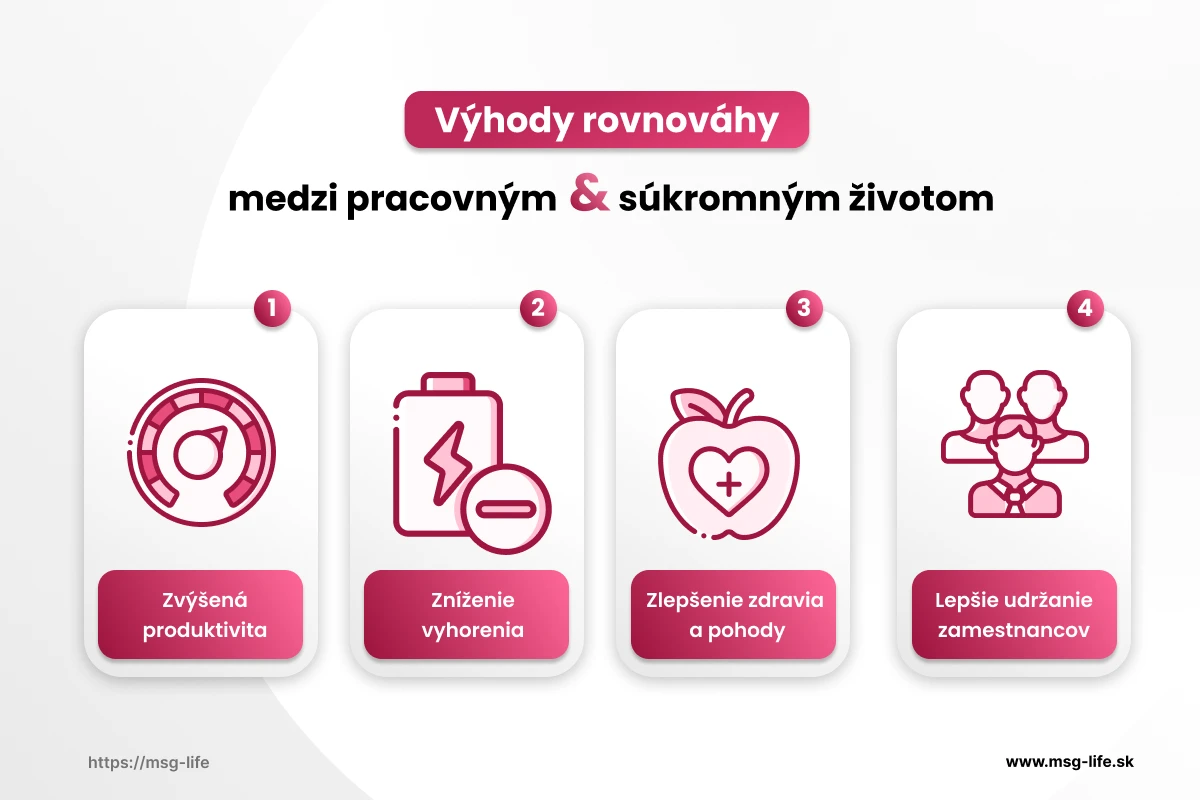
Preventing stress and burnout

Stress is now a common part of life for most IT professionals. And it’s no wonder – heavy pressure from superiors, excessive workloads, long hours at the computer, countless tasks on the to-do list, and ignoring one’s own needs are just a few of the contributing factors.

However, everyone has their limits, and if you ignore them for too long, you risk reaching the edge of professional burnout. Burnout syndrome is a serious problem that can affect you for months or even years. It manifests through emotional and physical exhaustion, a loss of motivation, and reduced performance. It should not be taken lightly – incorporating rest into your daily routine as soon as possible is essential.

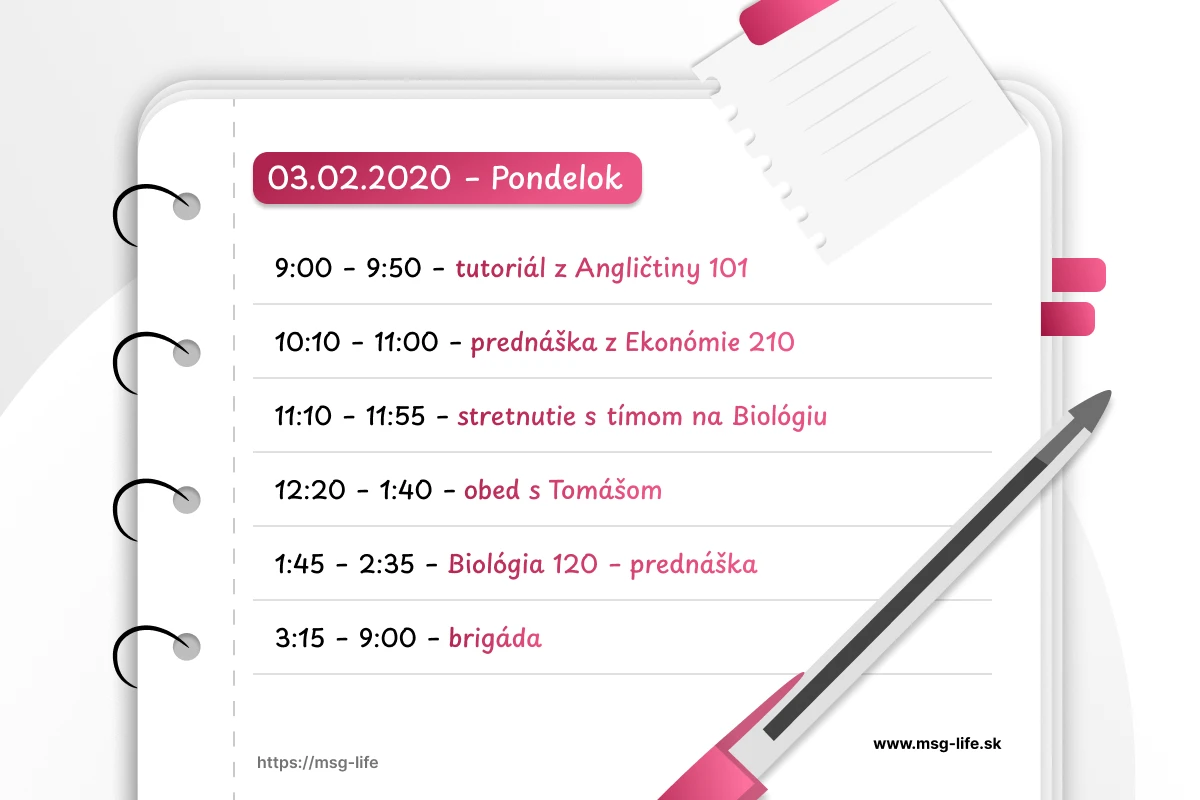
A crowded calendar

Improved mental health

A poorly set or completely missing work-life balance may initially show no adverse effects. That is why many people ignore it for months or even years. A shift usually occurs only when the first warning signs appear, such as:

  • anxiety
  • irritability
  • depressive moods
  • feeling of overwhelm
  • lack of motivation and productivity

The sooner you include enjoyable leisure activities and time with loved ones in your life, the sooner you can get rid of these unpleasant feelings and start feeling better.

16 min.maju firmy zodpovednost-za dusevne zdravie listing

Interview with a psychologist: Do companies have responsibility for employee mental health?

Learn why your work environment needs to be healthy, when it’s time to see a psychologist and how to get rid of acute stress. Alena Jancigova is a psychologist and […]

Stronger interpersonal relationships

If you do not have enough time, it is not only you who suffers, but also your relationships with family, friends, and close ones. Work obligations often push them into the background, which can lead to tension, arguments, or even losing certain people from your life.

However, with the right balance in place, you do not have to fear this. You gain enough time to spend with those you care about, strengthening your mutual bonds.

Higher productivity and motivation at work

If you work continuously without breaks, your productivity will inevitably decline over time. This is a natural consequence of overwork and lack of rest. To perform well, you must also know how to rest – not only in the evening before bed but also during the day, for example, through sport or another relaxing activity.

4 benefits of living in balance

Better physical fitness and health

A chronic lack of free time causes stress, which weakens the immune system and leads to issues such as digestive problems, back pain, migraines, and other health complications. However, regular and quality rest can help you prevent these and ensure greater comfort and physical well-being.

Personal growth and self-realisation

Work is undoubtedly a significant part of life, but it is not the entirety of it. Your mind and personality need more – spiritual growth, new knowledge, skill development. These aspects are important not only for mental well-being but also for career advancement. What you learn in your free time often proves useful at work.

A sustainable lifestyle in the long run

Your lifestyle should be set up so that it is sustainable in the long term without major sacrifices or extreme changes. Constant work, however, is not sustainable. If you do not put a stop to it yourself, sooner or later your health will.

Therefore, set clear boundaries and respect your needs. This approach is not selfish and does not make you a lazy person. On the contrary – it helps you progress and achieve better results.

Proper work-life balance setup for remote workers

Maintaining work-life balance while working remotely is more challenging than it may initially seem. Employees bring work into their homes – spaces that previously served only for rest and leisure. This blurs the physical boundaries between two essential areas of life, which begin to overlap.

Home office comes with many advantages – it saves time and money and allows work in a pleasant and familiar environment. In the IT sector, which is more flexible than many others, it has become a standard. However, for those unaccustomed to it, it can significantly disrupt daily rhythms.

Work can very easily intrude into regular domestic activities or relaxation. All it takes is working longer than usual for a few days or postponing tasks until the weekend – and your daily rhythm gradually changes.

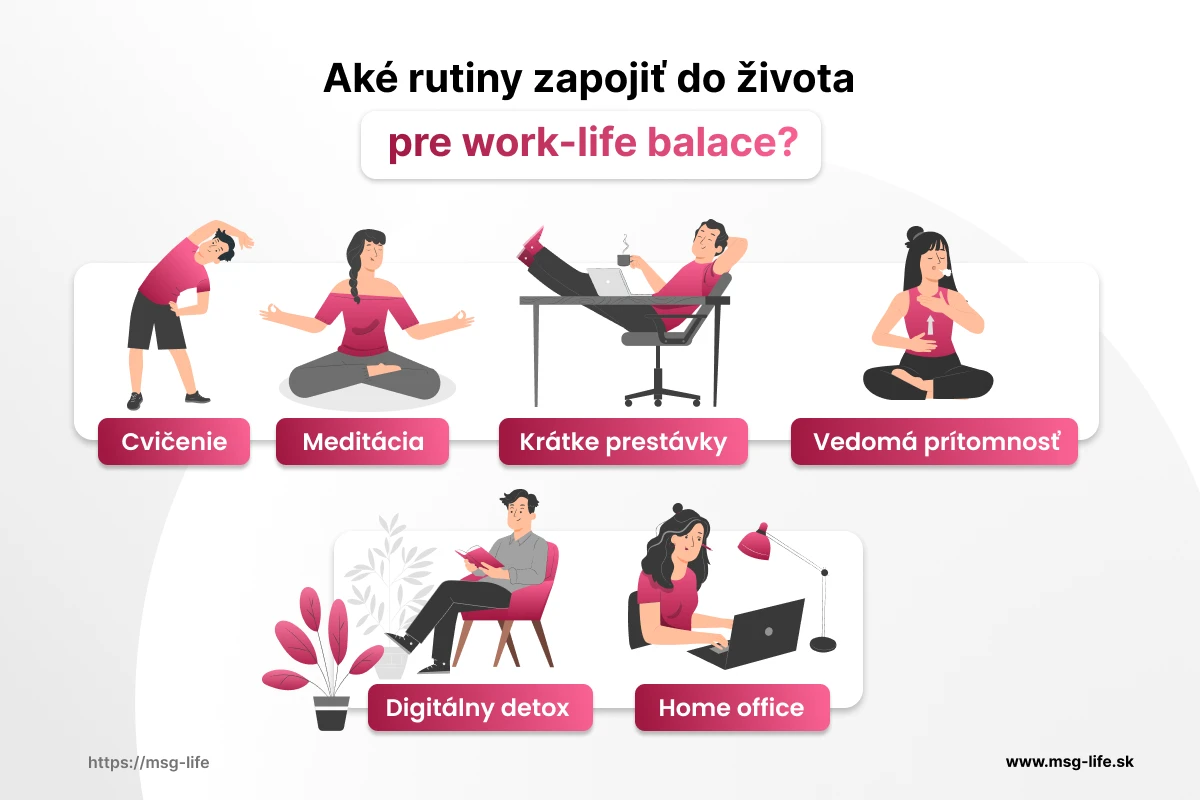
Six figures that show healthy routines

When working from home, it is important to stick to the basic principles of work-life balance outlined below. In addition, do not forget the following tips:

1. Create a dedicated workspace

Do not work from bed, the sofa, or the kitchen table. Instead, designate a small workspace where you will programme, test, and carry out other work tasks.

2. Set a fixed work schedule

When working from home, it is easy to lose track of time, and you may end up working an hour or two longer because you do not need to rush home. Therefore, set a clear schedule – when you start work and when you completely disconnect from it to focus on yourself.

3. Do not do housework during working hours

Did you suddenly remember to put on a wash, empty the dishwasher, or vacuum the flat? Leave these tasks for later, after you have shut down your computer. During work hours, focus solely on your work assignments.

4. Go outside

It is not healthy to spend entire days shut in your flat or house. Once you finish work, go for a walk, exercise, or meet with friends.

5. Use modern platforms

The rise in remote work requires the ability to coordinate schedules, communicate instructions and feedback clearly, and use tools that improve efficiency and boost productivity. This leaves more room for rest. These tools enhance communication and organisation through intuitive interfaces and dashboards. They also reduce administrative workload, allowing the team to focus more on the actual work. Do not hesitate to use them to the fullest – they can only help you.

Recommend
We recommend:

The same rules apply to work-life balance in hybrid work. This can be even more confusing because you spend some days of the week in the office and others at home.

What are the signs of a missing work-life balance?

The fact that you do not have properly set boundaries and that work is encroaching on your personal time can be indicated by several details:

  • feelings of anxiety
  • too much tension
  • pressure
  • sleep problems
  • deteriorating interpersonal relationships
  • exhaustion
  • lack of motivation and/or productivity
  • problems with concentration

If you experience one or more of these symptoms, it is quite likely that your work and personal life are not in balance – and it is time to do something about it.

22 min.Na-vlne-kodu-Work-life-balance-954x600

Podcast #1: Work-life balance and healthy work-life boundaries

Listen to the first episode of the Na Vlne Kodu podcast, where topics like burnout syndrome, work-life balance and the art of saying no are discussed.

Proven work-life balance practices

Whether you are troubled by feelings of anxiety, excessive stress or sleep problems, do not wait. A poorly set work-life balance and the symptoms associated with it can only worsen over time.

Unsure how to organise your schedule and priorities in a way that maintains a healthy balance between work and private life? Use these practical tips:

1. Set healthy boundaries

It does not matter whether you work from home or from an office – what is important is that your work and private life are clearly separated. Handle work tasks only during designated working hours. Do not respond to emails or messages outside of this time. Ideally, turn off notifications completely during your time off.

This way, you will establish healthy boundaries and protect yourself from burnout, anxiety and other negative effects.

2. Plan your free time

This tip is especially important for programmers, testers and other IT specialists. Fill your free time with meetings with family and friends, trips, sport, IT courses, technical workshops or other activities you enjoy. Many people tend to fill an empty schedule with additional work tasks – and that is not healthy.

Free time does not have to be precisely planned. It is enough if you think in advance about what you would like to engage in. These can also be small activities, such as reading a book, organising your wardrobe or cooking. By thinking about them, you reduce the risk of ending up back at work again.

3. Set manageable goals

Overly ambitious goals can create pressure and decrease your motivation and performance. If you have big dreams – such as learning a new programming language or building your own website – break them down into smaller steps. That way, you can work on them gradually, without burning out or taking time away from your free time.

4. Take breaks

There is no IT specialist who can concentrate for 8 to 12 hours without a break. Everyone needs to switch off from time to time, clear their mind and get a fresh perspective.

Breaks are important not only for recovery, but also to reduce the risk of burnout and improve concentration. A short switch-off from work can offer a new perspective on a problem or inspire an interesting idea.

To achieve work-life balance, it is necessary to alternate between two types of breaks:

  • Short breaks during the working day – for example, for lunch, coffee or just a short rest between individual tasks.
  • Longer, multi-day breaks – classic time off, during which you completely switch off and do not even think about work. How you spend this time is entirely up to you. Ideally, travel somewhere and change your environment.

5. Take care of yourself

An important aspect of finding balance between the work and personal world is devoting time to self-care. This can include steps such as:

  • regular physical activity or exercise
  • taking sick days, holidays or mental health days as needed
  • adequate rest every night
  • seeking help from friends, family or professionals

Your mental and physical health is far more important than completing a work task or ticking off every item on your to-do list. That is exactly why you should not ignore it.

6. Improve your time management

To maintain work-life balance in the working environment, especially in the IT field, thoughtful time management is essential. If you can plan your working day properly, you will not end up having to do some tasks during your free time simply because you did not finish them earlier.

However, do not overdo it with planning. Only plan as many tasks for one day as you know you can realistically handle. Start with those that need to be completed as soon as possible and then continue with the less urgent ones.

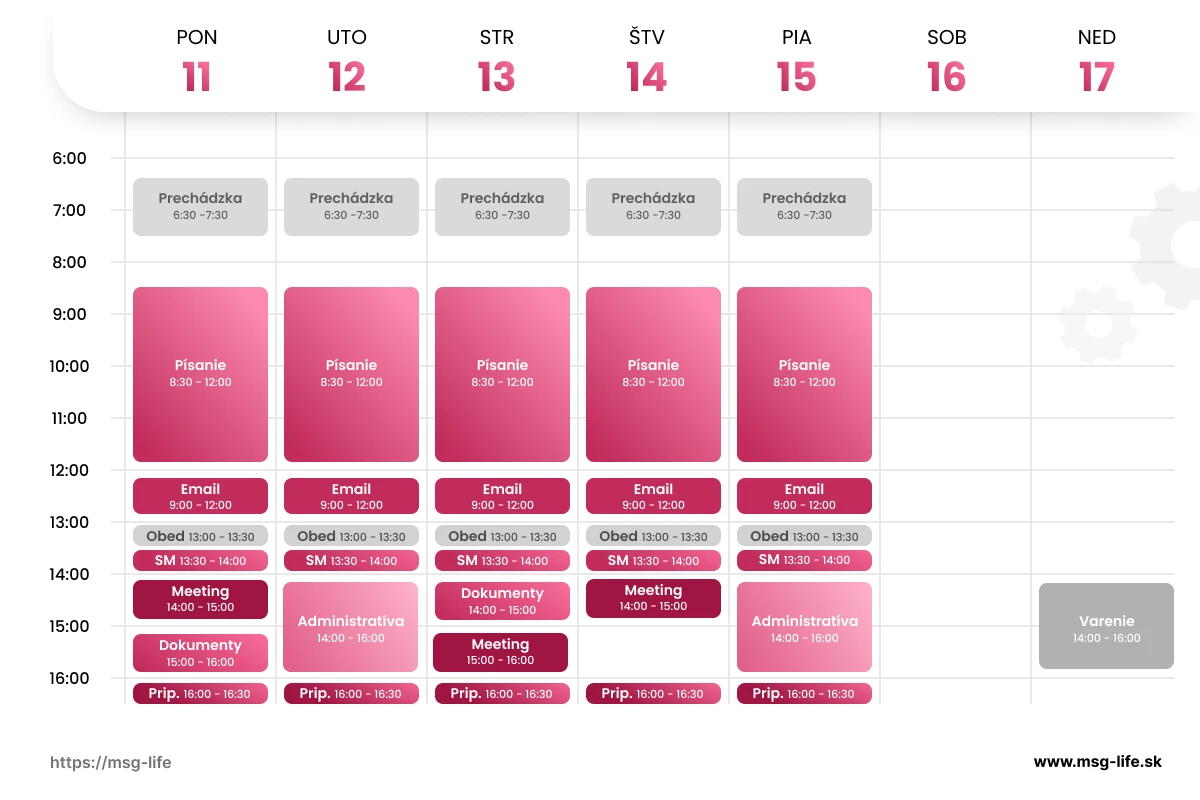
Calendar of tasks

7. Learn to say no

Are you the type of person who always says “yes” to the boss or supervisor? Even when the request or task interferes with your free time? In that case, you should learn how to politely but firmly say “no”. It is fine to occasionally do something for the good of the team. However, if you do this regularly, it is not healthy and can lead to burnout.

8. Let go of excessive perfectionism

Many people have a tendency towards perfectionism in their younger years, when they dedicate all their free time mainly to school or hobbies. At this stage, it is in some ways easier to be a perfectionist, but as one grows older, builds a career and starts a family, life becomes more complicated and responsibilities increase rapidly.

Perfectionism can often do more harm than good. If it gets out of control, it can become destructive. The key to preventing overload and managing stress at work is to let go of the unhealthy desire for perfection. Instead, focus on precision in what you do, and abandon nit-picking for good.

9. Disconnect “from the network”

In the pursuit of better life balance, try to regularly switch off completely and allow yourself a digital detox. Today’s world creates in people a feeling of constant availability. The workday seems to have no end and often intrudes into personal time. All it takes is the sound of a notification, and you immediately feel the urge to check what it is. There are moments when you should simply turn off your phone and enjoy the present moment. Simple – yet for some almost impossible.

Robert Brooks, a professor of psychology at Harvard Medical School and author of a book on work-life balance The Power of Resilience: Achieving Balance, Confidence and Personal Strength in Your Life, once said something wise: “Notifications that keep coming in interrupt your supposed ‘offline mode’, where you’re only pretending not to be online.” This means these influences bring a constant stream of tension into your life. Forget about work matters and devote yourself fully to your family and hobbies. Make your seemingly free time truly quality time spent according to your own wishes.

By not responding to work notifications, you build a stronger habit of resilience. Resilient people feel a greater sense of control over their lives, while reactive ones lose that control and are more prone to stress.

Zuzana Kocáková, msg life Slovakia

10. Get moving and meditate

Even if you are busy, it is essential to find time for the most important things in life. Regular exercise is an effective way to reduce stress – it pumps endorphins into your body, making you feel much better.

Every day, set aside at least a few minutes for yourself. Great and undemanding activities that you can do almost anywhere include exercise, yoga, meditation or any other activity that fulfils you. Start with deep breathing, for example. Breathing exercises, a short 5-minute meditation or limiting alcohol and unhealthy food are key to a clear mind. It is an effective way to relieve tension through small lifestyle adjustments.

Mindfulness

If you want to achieve a balanced work and private life, a good feeling from completing a work task is not enough. This concept also includes caring for yourself – body, mind and soul. You do not need extreme effort to make a change – it is enough to open yourself to the present moment and stop thinking about what would have happened if…

To rediscover harmony between your inner and outer world, it is important to stop worrying unnecessarily about things you cannot influence. Do not have prejudices or excessive expectations. As the saying goes – if you expect nothing, you cannot be disappointed.

Instead, calm down, slow down and focus on your immediate surroundings – on smells, colours, sounds, tastes, scents, feelings and emotions they evoke in you. Live in the present and pay attention to the little things you would otherwise overlook in the rush of everyday life. That is where the beauty and peace of a content mind lie – in perceiving the present moment.

Remember – you cannot trick your nervous system

The autonomic nervous system has two branches:

  • the sympathetic nervous system (the body’s stress response)
  • the parasympathetic nervous system (the body’s rest and digestion response)

The key to activating the parasympathetic system includes short meditative exercises, deep breathing or “grounding” your senses. The more frequently you practise them, the more you will activate the parasympathetic system – and it will calm everything down. Not only in that moment, but gradually, permanently.

Over time, you will notice that the parasympathetic system starts to dominate in your life over the sympathetic one. This is what your balanced lifestyle might look like in practice.

11. Spend your time on people and activities that fulfil you

Have you ever thought about what is truly important in your life? Create a list of priorities and make sure they genuinely reflect your values. Set firm boundaries so that you have enough time for people and activities with high priority. Thanks to this, it will be easier for you to identify what can be crossed off the list and more quickly achieve a balanced lifestyle.

If browsing the internet pulls you into a spiral that wastes your precious time, set clear rules to separate work from free time. To boost productivity, you can try tools like Freedom, LeechBlock or RescueTime. If specific people are taking up your time, try to limit interactions with them in a diplomatic way. Focus on relationships and activities that bring joy into your life.

12. Slow and steady wins the race

Imagine you want to start running and on the first day you run 10 km. The next day, your whole body will ache and you will likely develop a negative attitude towards running. Drastic changes – such as cutting your working hours from 80 to 40 per week or daily intense training without rest – are more likely a recipe for failure. Gradual change is healthier and more sustainable in the long term.